
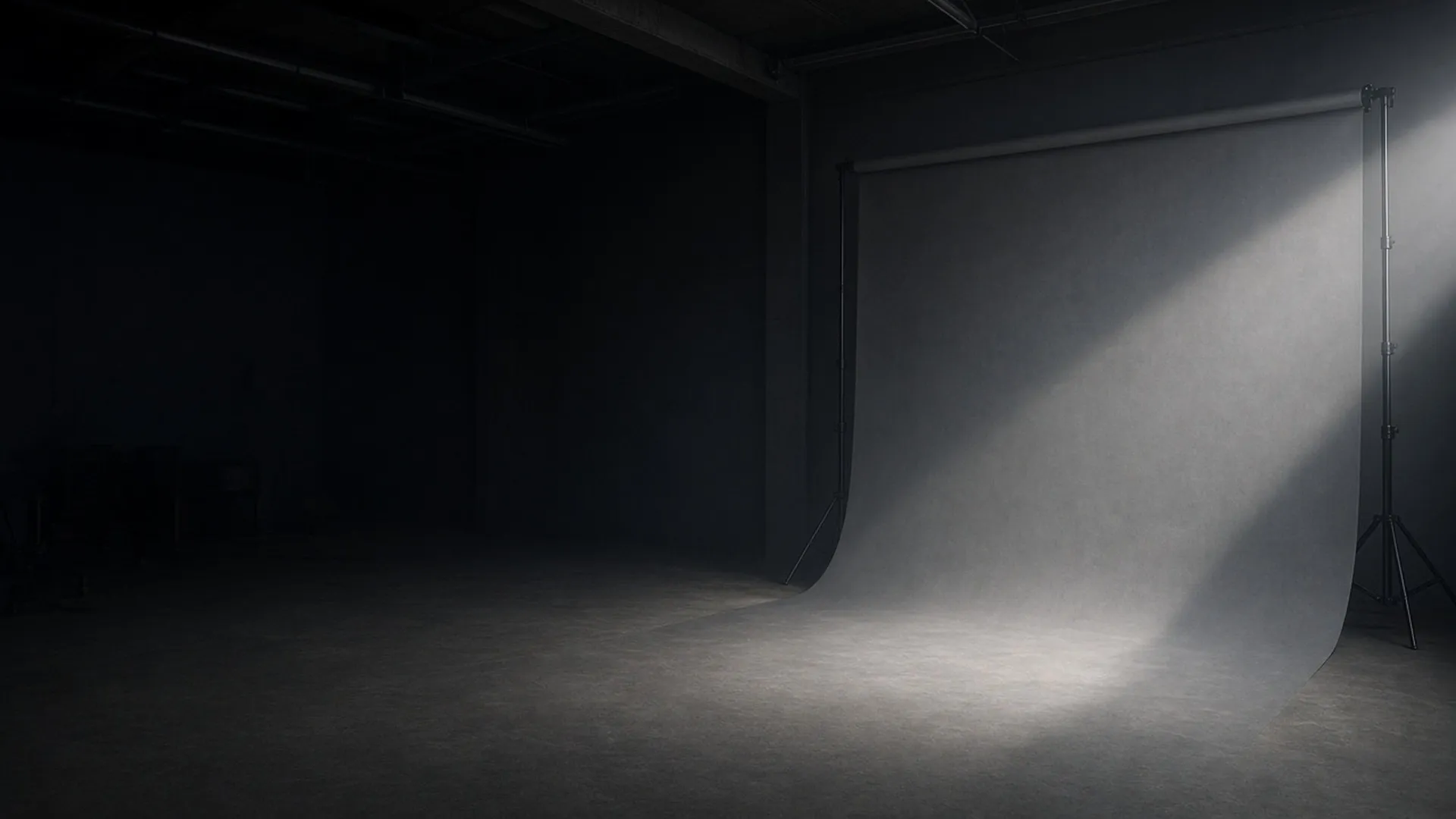
Fog for photography
Haze to show light, and a plan for the set.
Disclosure: We may earn a commission if you buy through links on this page. It does not change what we recommend. Affiliate Disclosure
Why it works
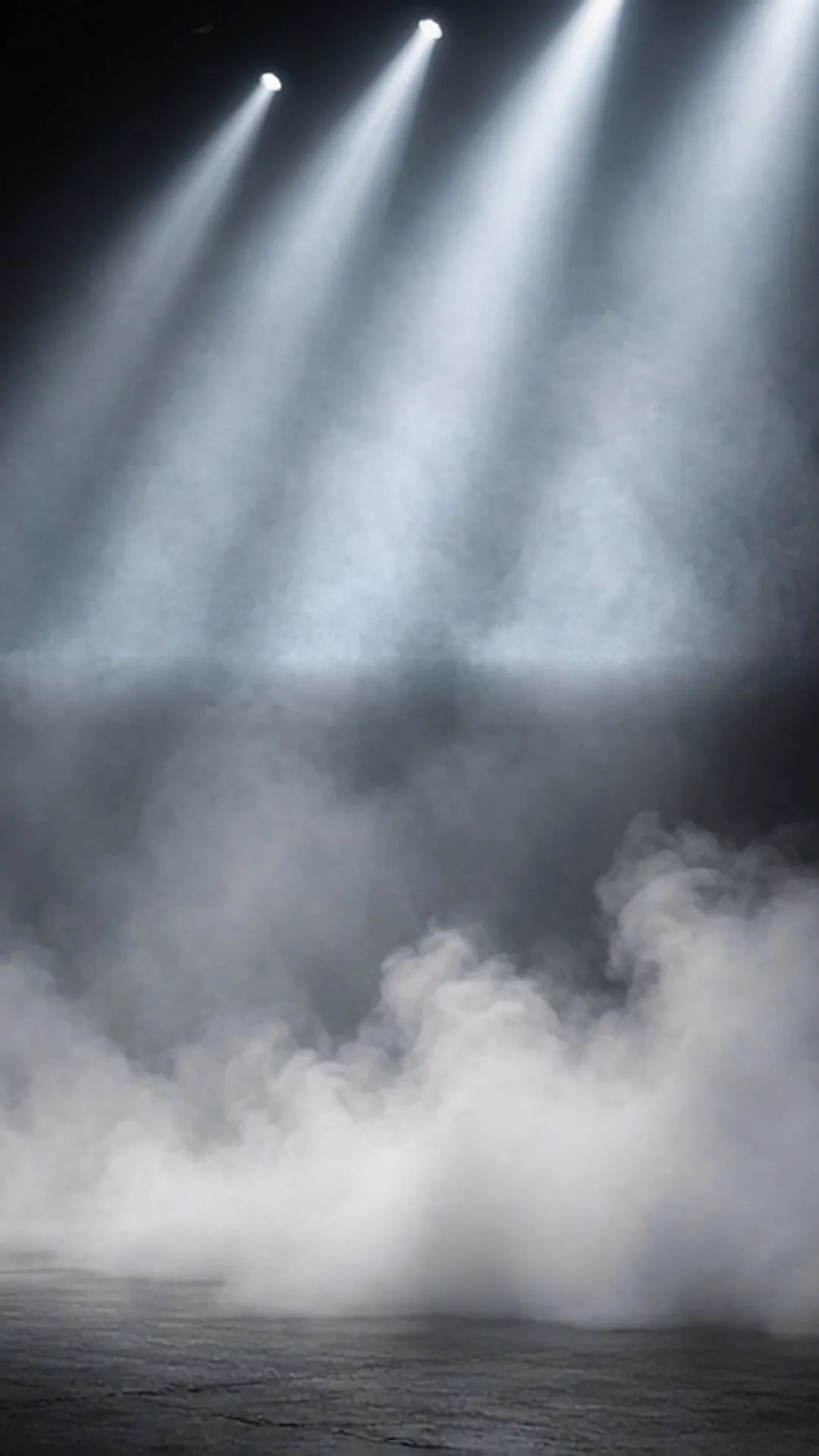
ANSI E1.5 defines fog as an aerosol that reflects light. Light passing through it becomes visible on camera.
Studio planning
Ask the studio about alarms and fog rules before the shoot. Fog and smoke alarms
People on set
HSE guidance says the assessment should consider all people who may be affected. Tell everyone on set before you start.
After the shoot
The EPA says opening windows and doors and using exhaust fans that vent outdoors increase ventilation.
Sources: ESTA, ANSI E1.5-2009 (reaffirmed 2024), Theatrical Fog; HSE, Smoke and vapour effects used in entertainment (ETIS3); EPA, Improving Indoor Air Quality.
General information only. Follow your machine's manual and the label on any fluid. Fog and haze can set off smoke alarms and make it hard to see. Never disable an alarm. Check the venue's or building's rules before you use any effect. Dry ice can cause frostbite and gives off carbon dioxide, which can build up in low or enclosed spaces. Never touch it with bare hands, never seal it in a container, use it only with good ventilation, and keep it away from children and pets. Anyone with asthma or another breathing condition should ask a doctor before being around fog, haze, or dry ice effects.
Next: fog vs haze
Two effects, two machines.
